Watch — “American Crow”
Listen — “American Crow”

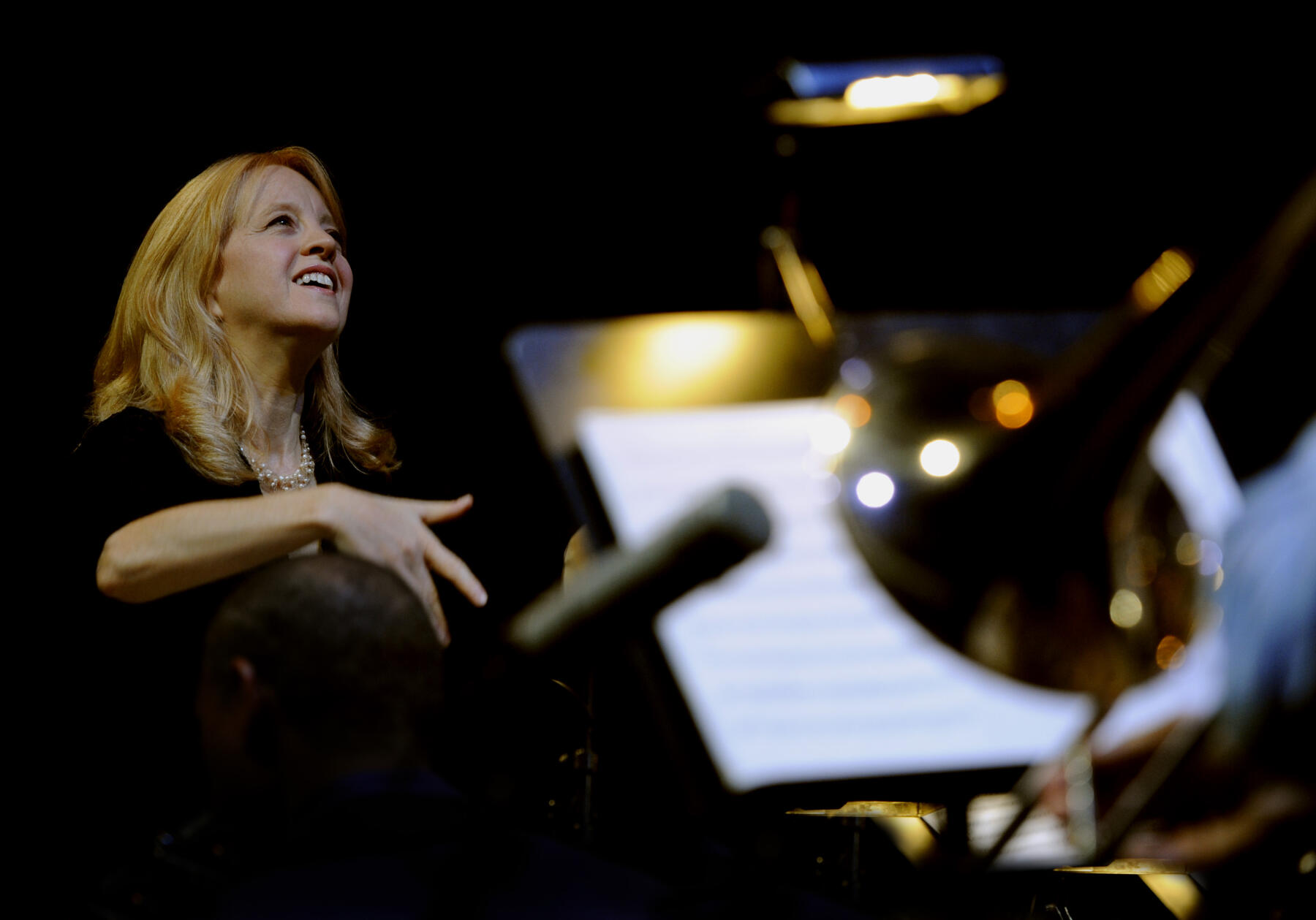
Three entries from American Crow, released by ArtistShare on February 3, 2026.
Maria Schneider
Maria Schneider Orchestra
Maria Schneider Orchestra
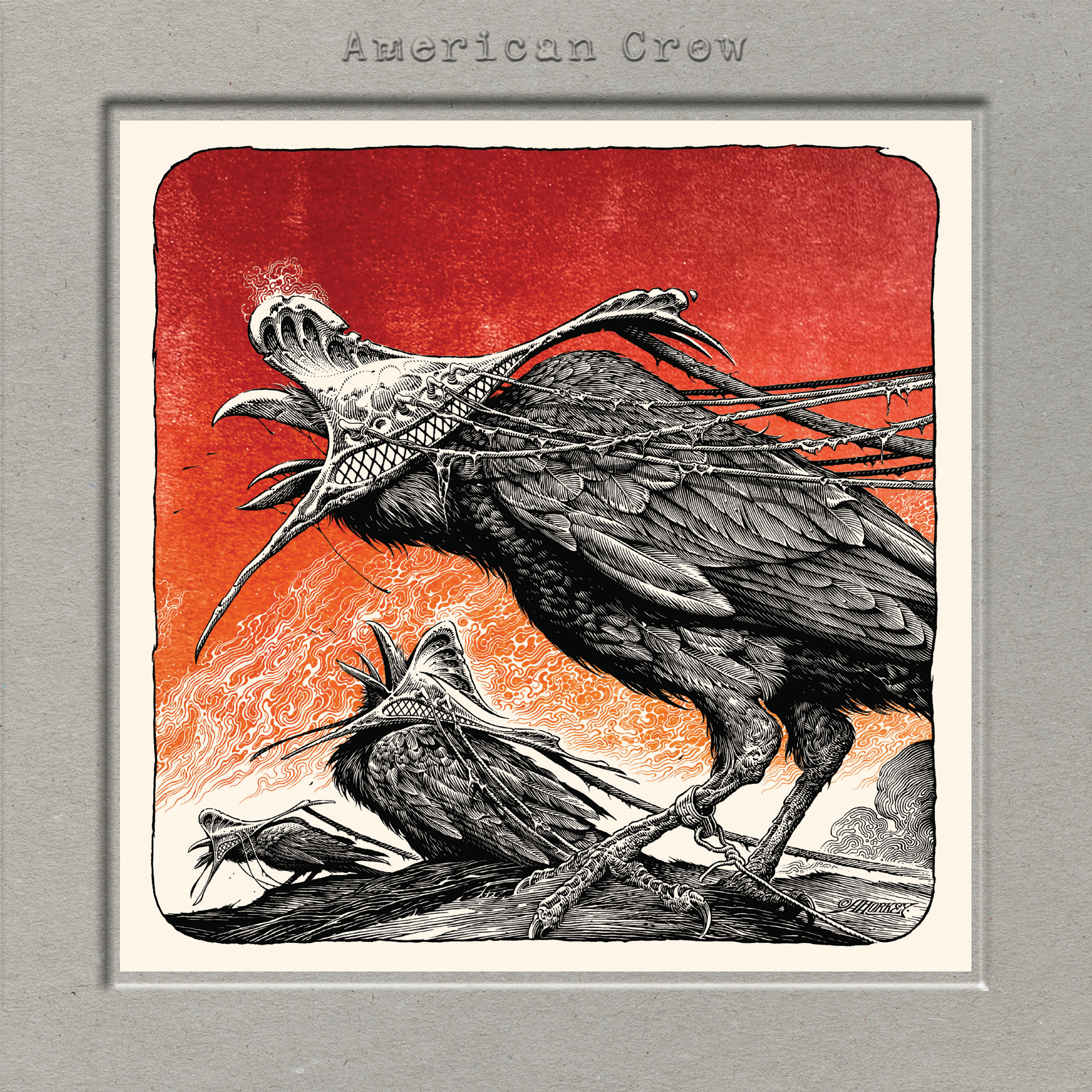
For your consideration
Best Jazz Performance — American Crow
Best Instrumental Composition — American Crow
Best Recording Package — American Crow
Maria Schneider Orchestra · ArtistShare · 2026
We're drawn to music, not only for the pure enjoyment of sound, but I think most of us feel it’s something far deeper. Music draws us into soul-searching, and can even bring us to a place of transformation and healing. And science now confirms that what our hearts have always felt is real: music has the ability to heal.
I am launching a project called “American Crow: A Narrative in Notes and Frames.” My hope is that this piece, that will be recorded as sound and video, can bring healing. That it will uncover something within us that we’ve probably long taken for granted, something beautiful and deeply human – but as we are learning, that is also fragile and needs to be nurtured and cherished: the art of listening.
Jazz is the perfect illustrator. A true jazz improvisor thrives on listening: waiting, responding, considering, reconsidering, responding again, and maybe in ways that surprise even the improvisor. Jazz is at its best when everyone is vulnerable. Improvisation asks everyone to risk what they think they know, and offers them an opportunity to discover something new in themselves. Jazz shines a light on what we are allowing to slip in our brittle and fractured world, making this art form more relevant today than ever before.
“American Crow” begins with distressed Americana, but soon enough submerges and dissolves into retrospection, a place and time I remember from my Midwestern childhood, when people could listen to one another. Space existed. And generally, people would look for compromise and consensus. People who saw things differently could still speak respectfully – they could like one another, even love one another.
Mike Rodriguez on trumpet will begin his improvisation in a fashion of listening, never talking-over, as he encounters a pastoral theme in the ensemble and rhythm section. But in time, the intensity of language ramps up, the volume increases: spewing, sparring, impenetrable statements, a society at verbal war, screaming from their echo chambers. When the vitriol morphs into just a single churning dark din that feels impossible to untangle, Jeff Miles on guitar longingly recalls the pastoral theme. Mike responds to Jeff’s guitar over the dark din, as if to ask, “Do we want to find our way back?” and “Can we find our way back?”
Please join us on our mission to find our way back through notes and frames.
~ Maria Schneider
The composition “American Crow” was originally commissioned by Emory University, where it was also premiered by the Maria Schneider Orchestra.
Maria Schneider is one of the defining composers of her generation: a seven-time Grammy Award winner across jazz and classical music, a 2019 NEA Jazz Master, a Pulitzer Prize finalist, and the leader of an orchestra that has carried her music around the world for more than thirty years.
Her fourteen Grammy nominations have brought seven awards: Concert in the Garden, the first recording sold only on the internet ever to win a Grammy; “Cerulean Skies” and “Sputnik” for Best Instrumental Composition; Winter Morning Walks, her song cycle for Dawn Upshaw on poems by Ted Kooser, for Best Contemporary Classical Composition; The Thompson Fields and Data Lords for Best Large Jazz Ensemble Album; and her arrangement of “Sue (Or in a Season of Crime)” for David Bowie.
Data Lords was a finalist for the 2021 Pulitzer Prize in Music and the Jazz Journalists Association’s Jazz Album of the Year. A graduate of the Eastman School of Music, she studied composition with Bob Brookmeyer on a National Endowment for the Arts grant, and in 1993 began the Monday nights at Visiones in Greenwich Village that launched the Maria Schneider Orchestra. The band’s first album, Evanescence, followed in 1994, the start of a recording career built with her fans through ArtistShare.
© Copyright 2026 ArtistShare. All Rights Reserved.